Why IBS is so hard to treat
Irritable Bowel Syndrome affects roughly one in ten adults worldwide. Bloating, cramping, urgency, alternating diarrhoea and constipation, and the brain fog and anxiety that come with them — IBS is a functional disorder, which means structurally the gut looks normal but it doesn't behave normally.
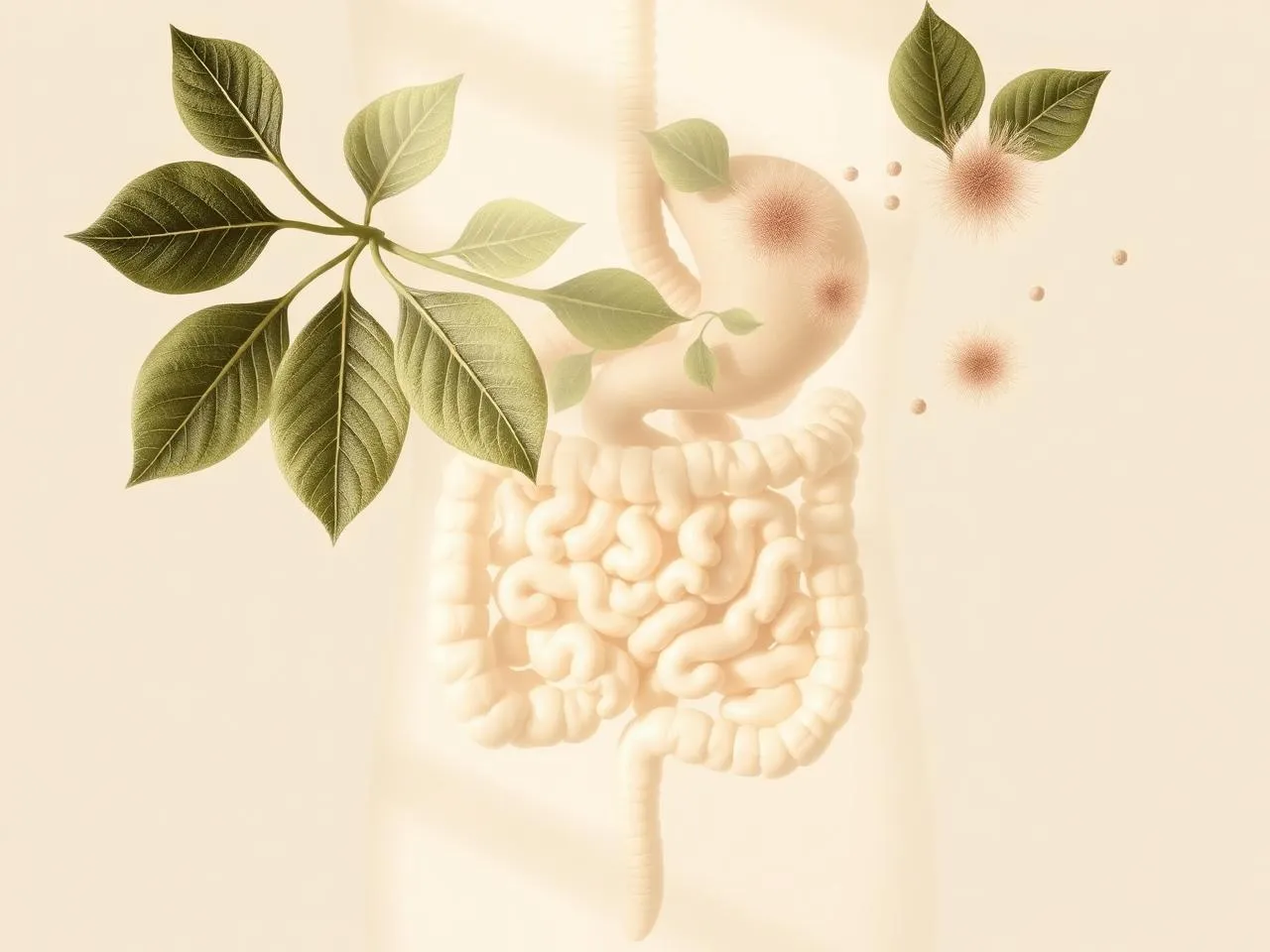
Conventional medicine struggles here because IBS is not a single disease. It is the convergence of dysbiotic gut flora, low-grade mucosal inflammation, visceral hypersensitivity, altered motility and a hyperactive gut–brain signalling loop. Treating any one of these in isolation rarely resolves the whole picture.
What cascade fermentation does differently
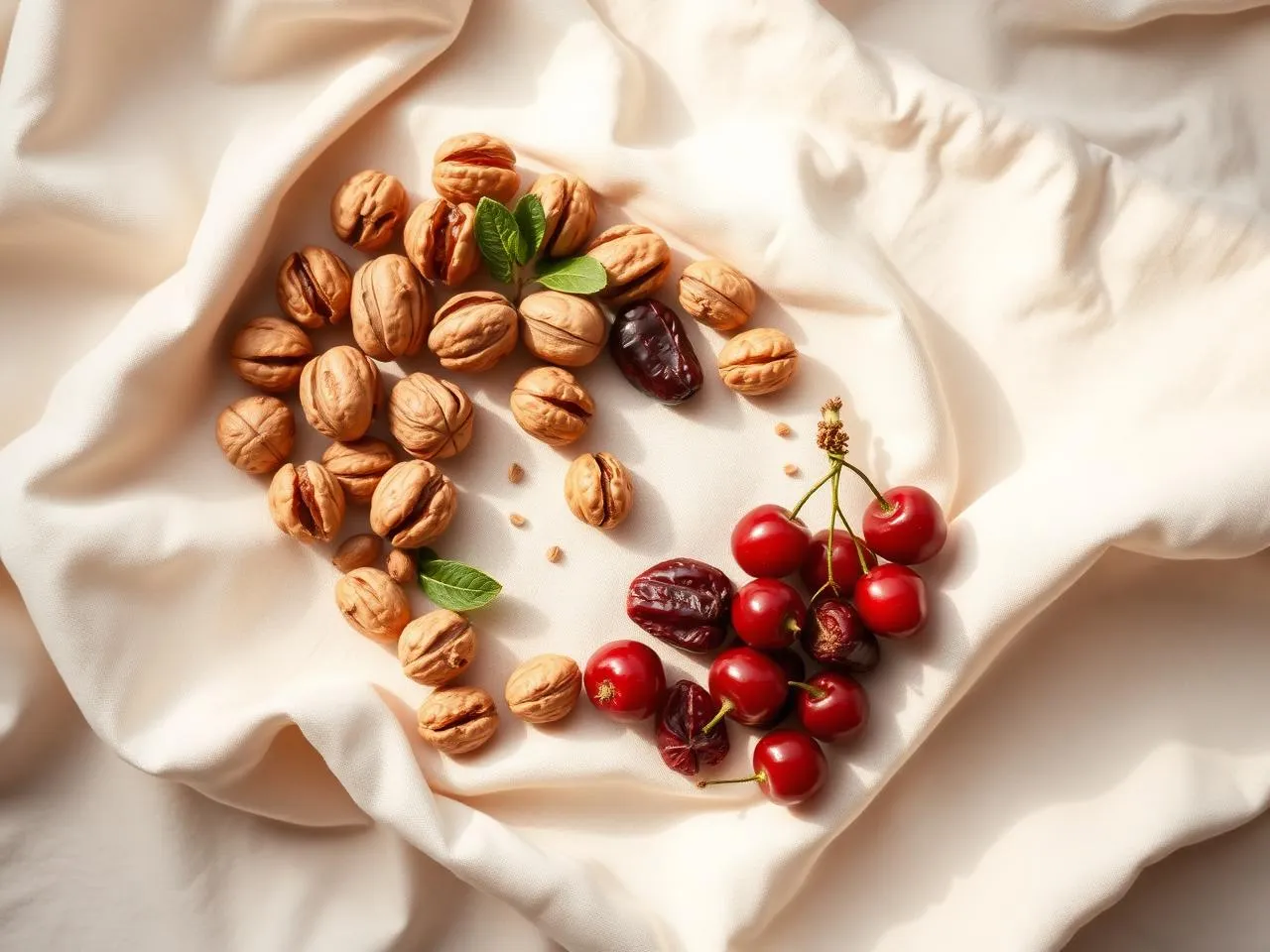
Floradyle Essence is produced through a multi-stage cascade fermentation that imitates the natural digestive cascades of the human gut. Across successive fermentation stages, lactobacilli pre-digest fresh organic fruits, nuts and vegetables — releasing more than 500 polyphenols, dextrorotatory L(+) lactic acid, peptidoglycans from bacterial cell walls, and an 'enzyme starter kit' the body can absorb immediately.
Three of those outputs matter most for IBS: L(+) lactic acid restores a healthy intestinal pH and feeds beneficial flora; peptidoglycan fragments train the mucosal immune system without provoking it; and pre-digested plant enzymes from figs, papaya and artichokes ease the breakdown of food at the source — reducing fermentation by gas-producing bacteria further down the tract.
The 8-week clinical observation
In an open-label observation of 52 IBS patients taking 20 ml of Floradyle Essence daily for eight weeks, 82.5% reported meaningful symptom improvement — captured on a validated symptom-severity questionnaire covering pain, bloating, stool consistency and quality of life.
The diarrhoea-dominant subgroup (IBS-D) responded most strongly, with 92% reporting improvement. Constipation-dominant (IBS-C) and mixed subtypes also responded, though more gradually — consistent with the slower remodelling of motility patterns.
Crucially, no participant reported a significant adverse event. Mild initial aggravation (slightly increased gas in the first 3–5 days) was noted in a minority and resolved without intervention — a recognised pattern when the microbiome rebalances.
The gut–brain piece
What surprised many participants was the parallel improvement in mood, sleep and concentration. This is not coincidence: roughly 90% of the body's serotonin is produced in the gut, and vagal afferents from the intestinal wall account for a large share of unconscious brain input.
By calming mucosal inflammation and stabilising the microbial population, the cascade ferment also softens the upstream signal the brain receives. Patients describe it as 'turning the volume down' on the gut — and, with it, on the anxiety that often shadows IBS.
How to use it for IBS
20 ml once daily, diluted in 40–100 ml of water, taken on an empty stomach in the morning. Hold in the mouth for 15–20 seconds before swallowing — buccal absorption matters for the smaller peptides.
Allow a full eight weeks. Symptom diaries typically show first changes around day 10–14 (less bloating, more predictable bowel pattern), with the larger gains in pain and urgency arriving in weeks 4–8.
- Cascade Fermentation — multi-stage process
- Open-label observation, n=52 IBS patients, 8 weeks, Floradyle scientific compendium