A trained immune system, not a louder one
A well-functioning immune system protects without overreacting. Allergies and autoimmunity are signs of overreaction; frequent infections, slow recovery and persistent fatigue are signs of underreaction. Most 'immune-boosting' supplements amplify the signal in both directions — useful when you are run down, dangerous when you are atopic.
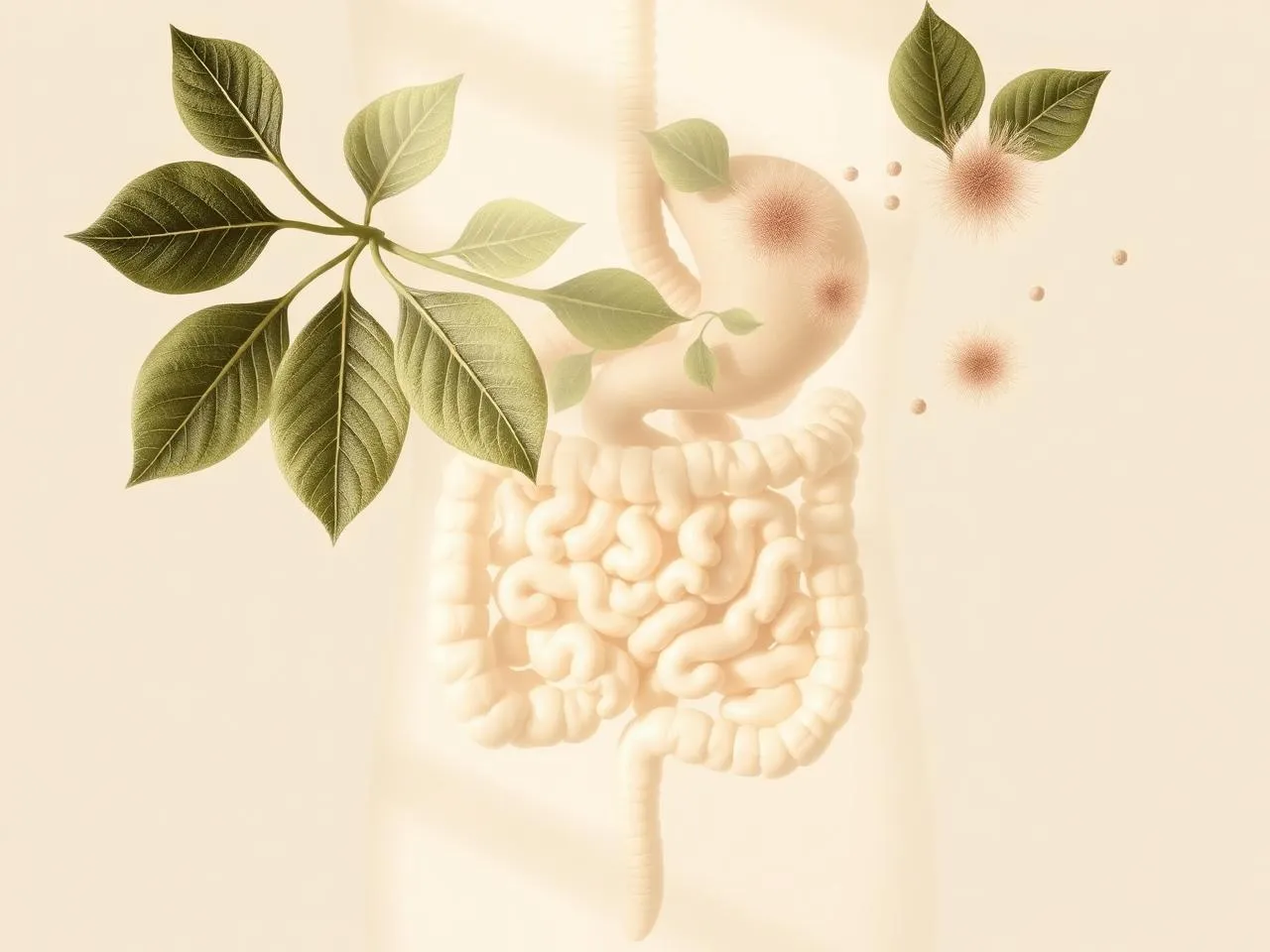
Cascade fermentation produces a different effect. It modulates rather than amplifies. The peptidoglycans released from lactobacilli cell walls during fermentation act as gentle innate-immunity primers — the same class of signal the body uses to recognise bacterial fragments without launching a full inflammatory response.
What activates and what stays quiet
Floradyle Essence increases neutrophil activity and natural killer (NK) cell cytotoxicity — the front-line responders of innate immunity that catch viral-infected and abnormal cells before adaptive immunity engages. It also shows direct antimicrobial activity against several common bacterial and fungal strains in vitro.
Critically, the cytokine response is selective. IL-10 — the body's primary tolerance signal, which calms unnecessary inflammation — rises. IL-4 — the cytokine most associated with allergic and atopic reactions — does not. This is why people with histamine sensitivities and seasonal allergies tolerate it well.
Where the support comes from
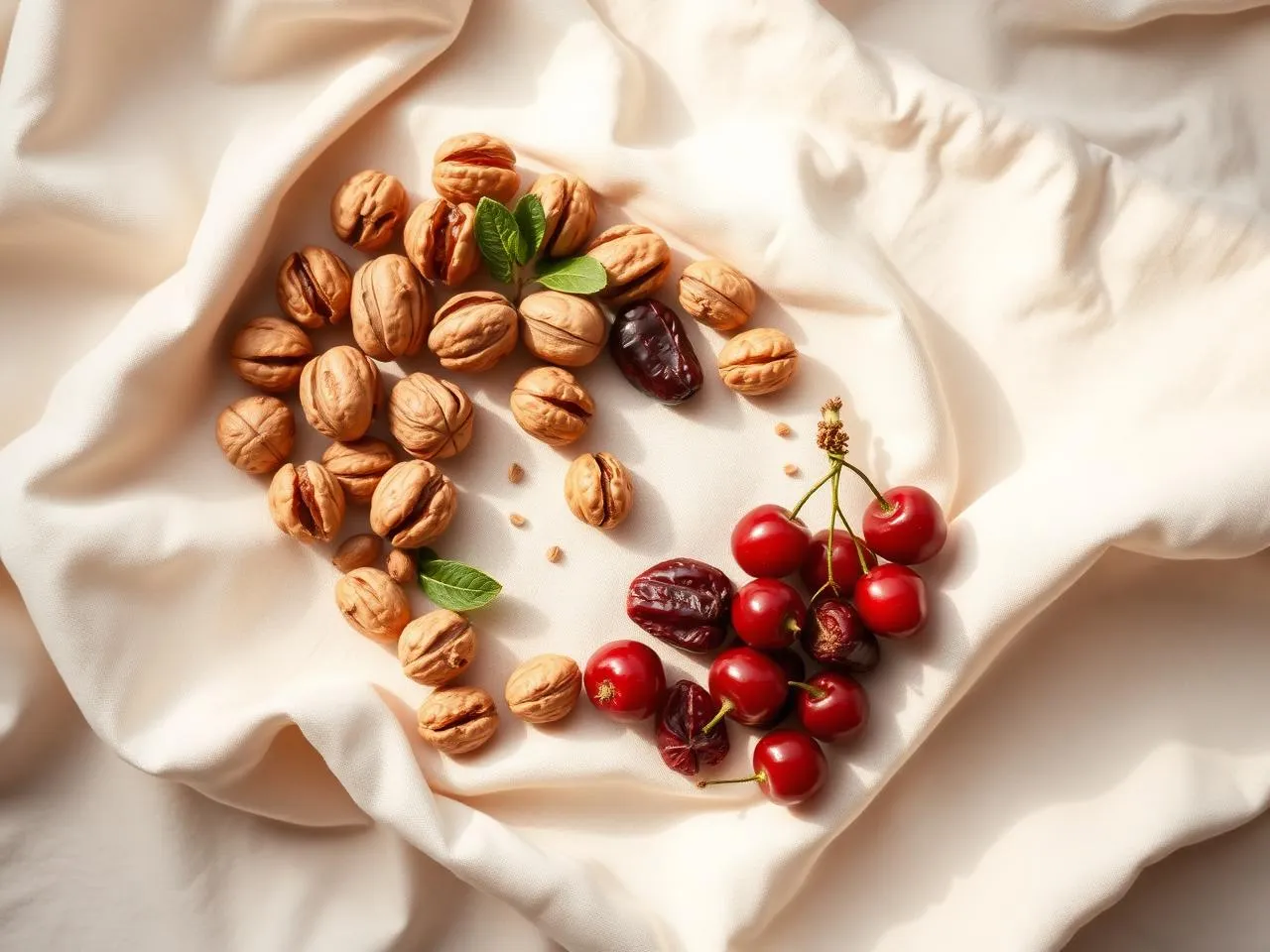
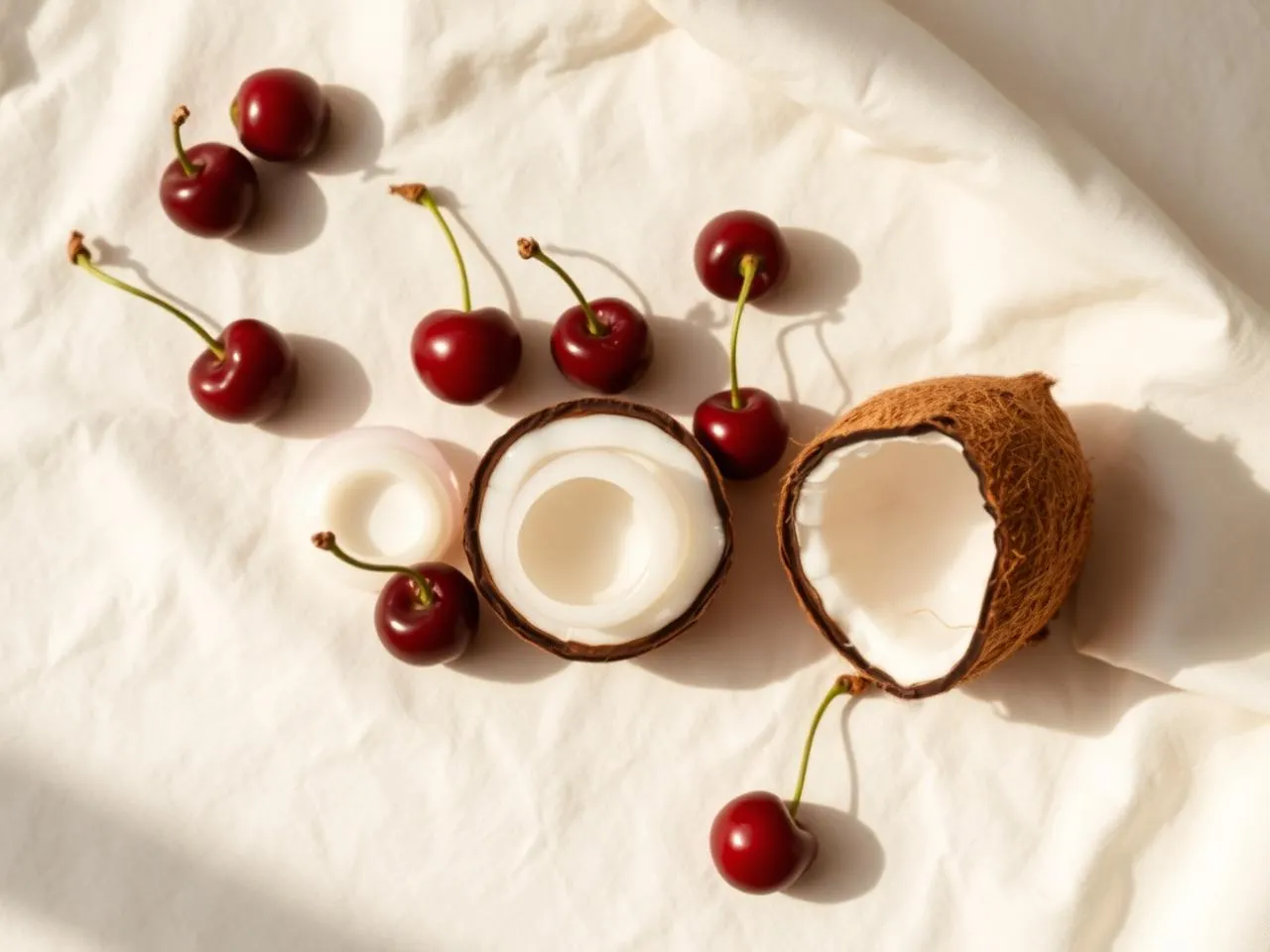
Acerola contributes among the highest natural concentrations of vitamin C of any food. Coconut and onion supply quercetin and B-vitamins. Dates and figs add the trace minerals and tryptophan precursors that fall during periods of high stress. Together with the lactobacilli cell-wall fragments, these create the conditions for an immune system that responds appropriately rather than constantly.
Practical use
20 ml daily as a maintenance dose. As with all immune support, sleep, hydration and stress management remain the load-bearing variables — Floradyle Essence supports the system, it does not replace what the system needs to function.
- In-vitro neutrophil and NK cell activation assays
- Cytokine panel — IL-10 vs IL-4 differential response
- Antimicrobial in-vitro testing